
No products in the cart.
new


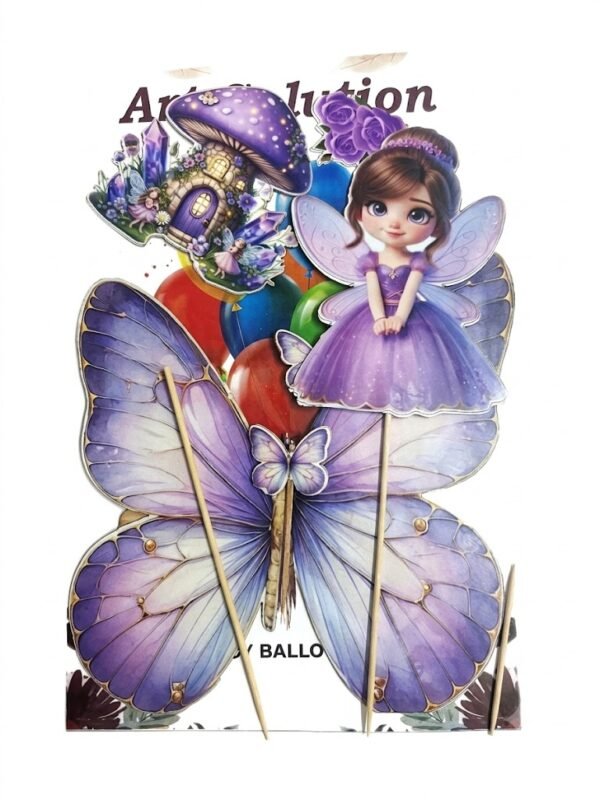
Butterfly Wings Cake Topper
Original price was: ₹80.00.₹65.00Current price is: ₹65.00.




Butterfly Wings Cake Topper
Original price was: ₹80.00.₹65.00Current price is: ₹65.00.
Description
Butterfly Wings.
-
Four Wings: Butterflies, like all insects, possess four wings—two forewings and two hindwings. These wings are typically large relative to their body size and are covered in thousands of tiny, overlapping scales.
-
Venation: A network of veins, which are actually hollow tubes made of chitin, strengthens and supports the wings. The arrangement and pattern of these veins are often characteristic of different butterfly families and species.
-
Chitin: The wings are primarily composed of chitin, a tough, lightweight polysaccharide that also forms the exoskeleton of insects. This material provides durability while remaining flexible enough for flight.
Composition and Color:
-
Scales: The most distinctive aspect of butterfly wings is the array of intricate and vibrant scales covering their surface. These scales are modified hairs that contain various pigments, giving the wings their stunning colors.
-
Structural Color: In many species, the dazzling blues, greens, and iridescence are not produced by pigments but by the physical structure of the scales themselves. Microscopic ridges and layers on the scales diffract and reflect light in specific ways, creating these brilliant hues.
-
Pattern and Design: Each butterfly species has a unique pattern on its wings, formed by the arrangement of different colored scales. These designs can be incredibly complex, featuring eye spots, stripes, and intricate details.
Function and Purpose:
-
Flight: The primary function of butterfly wings is flight. The powerful muscles attached to the wings allow the insect to soar, flutter, and glide through the air, search for food, find mates, and escape from danger.
-
Camouflage: Many butterflies have wings with patterns that mimic the appearance of their surroundings, such as leaves, bark, or other natural elements. This concealment helps them to blend in and avoid detection by predators.
-
Warning Coloration (Aposematism): Bright and contrasting wing colors, often involving reds, oranges, and yellows, can serve as a warning to predators. These patterns signal that the butterfly is unpalatable, toxic, or possesses other defensive mechanisms.
-
Mimicry: Some harmless butterfly species mimic the warning patterns of toxic or distasteful species to gain protection from predators that have learned to avoid them.
-
Thermoregulation: Butterfly wings play a role in regulating their body temperature. They can use their wings to absorb sunlight and warm up before flight or to deflect excess heat.
-
Mating Displays: Male butterflies often use their colorful wings in elaborate courtship displays to attract females. These displays may involve flashing specific patterns or performing intricate flight maneuvers.
Vulnerability and Conservation:
-
Fragility: Despite their relative durability, butterfly wings are delicate and susceptible to damage. Punctures, tears, and loss of scales can impair their flight ability.
-
Habitat Loss and Climate Change: Butterfly populations worldwide face significant threats due to habitat loss, pesticides, and climate change. Protecting their natural habitats and minimizing environmental impacts is crucial for their survival.
In summary, butterfly wings are complex and versatile structures that are essential for their survival and reproductive success. Their stunning beauty, intricate patterns, and diverse functions continue to captivate and inspire scientists and nature enthusiasts alike.
Additional information
| Design | Design 1, Design 2, Design 3 |
|---|
Reviews (0)
Reviews
There are no reviews yet.
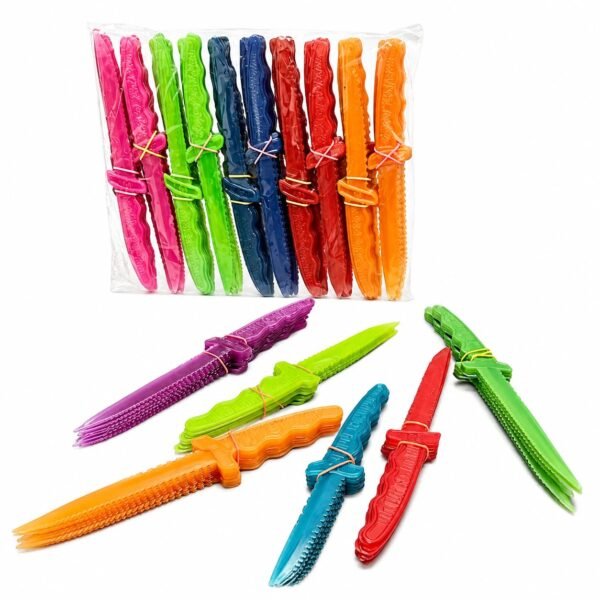
Plastic Cake Knife
Original price was: ₹100.00.₹65.00Current price is: ₹65.00.
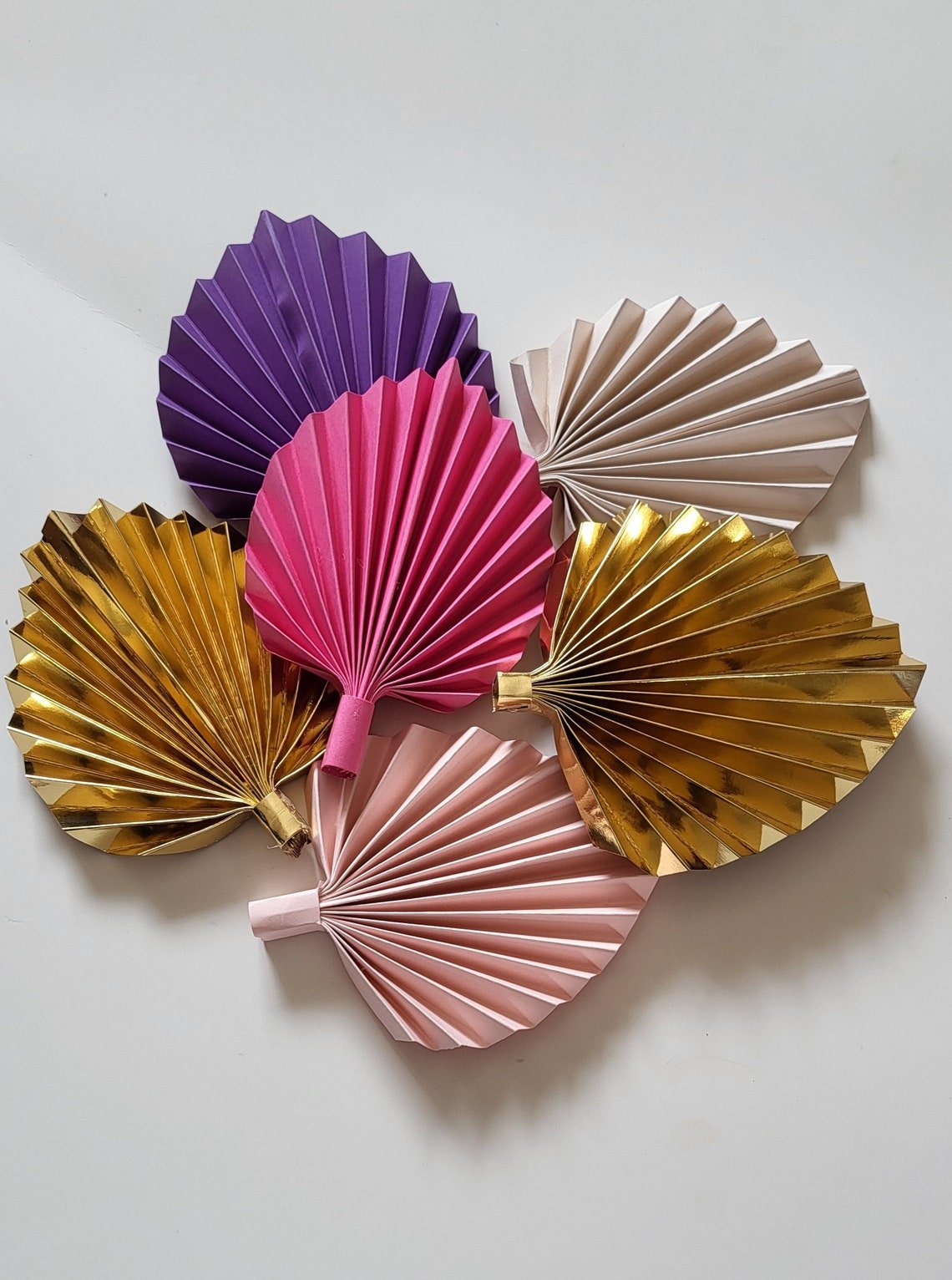
Palm Leaves (Pack Of 2pcs)
₹39.00
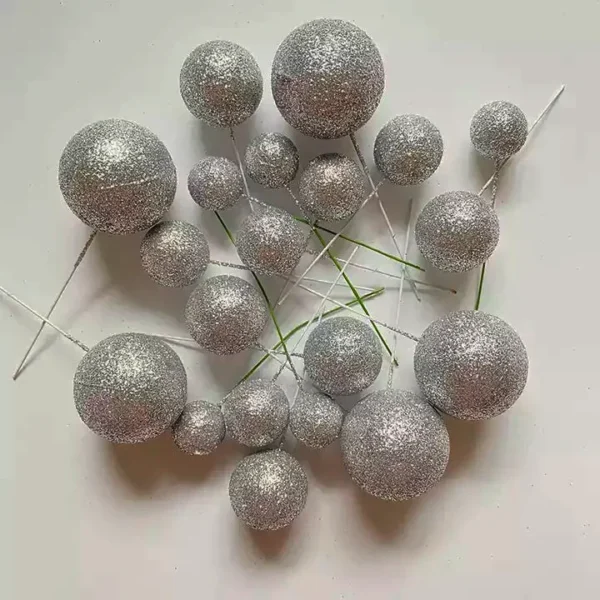

Silver Glitter faux Ball
Original price was: ₹89.00.₹62.00Current price is: ₹62.00.


Black Faux Ball Topper
Original price was: ₹79.00.₹52.00Current price is: ₹52.00.

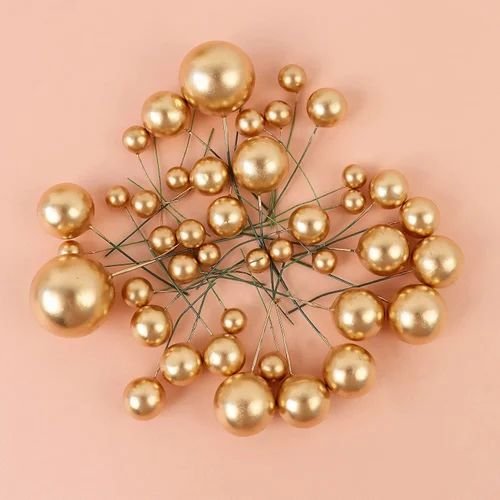
Golden Faux Ball Topper
Original price was: ₹79.00.₹52.00Current price is: ₹52.00.
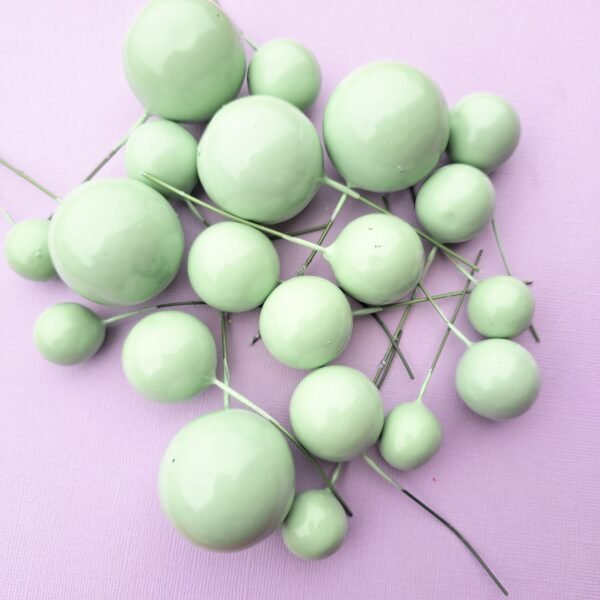
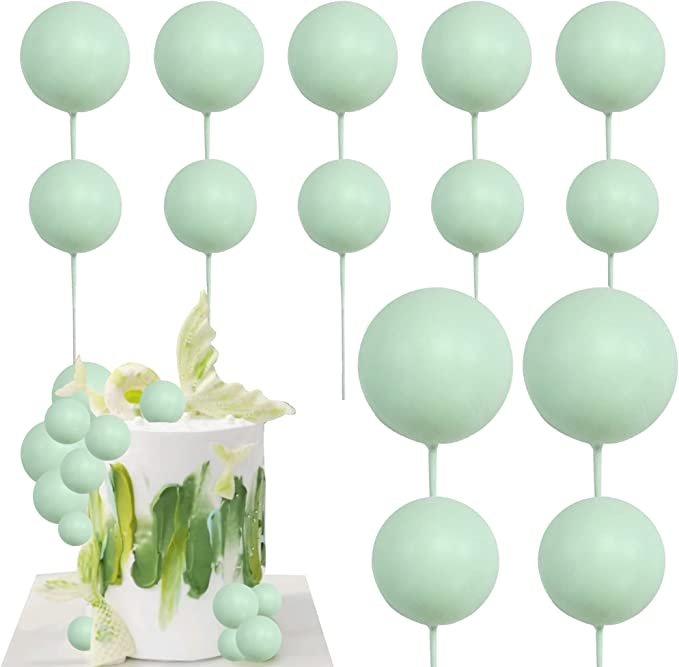
Mint Green Faux Ball
Original price was: ₹70.00.₹52.00Current price is: ₹52.00.

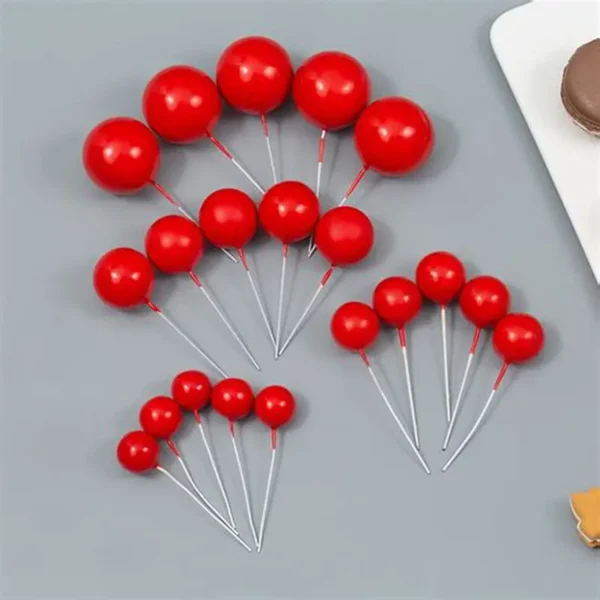
Red Faux Ball Topper
Original price was: ₹79.00.₹52.00Current price is: ₹52.00.
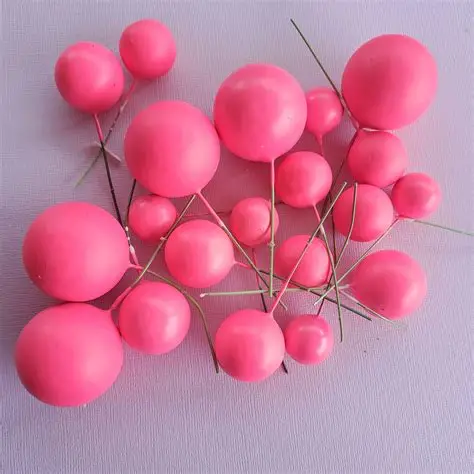
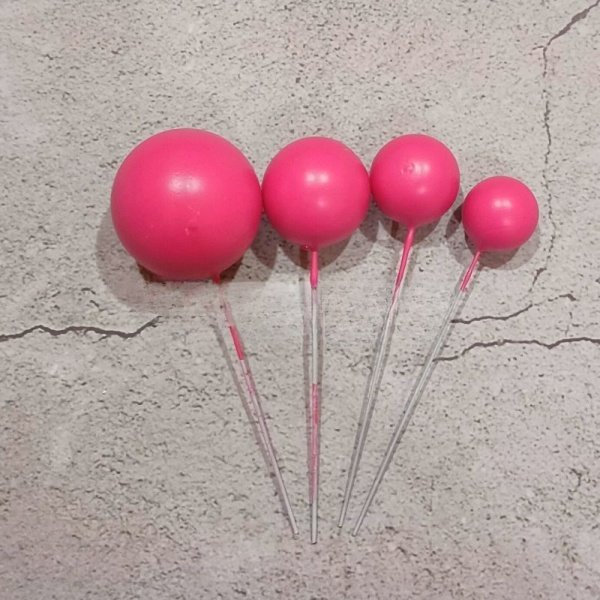
Dark Pink Faux Ball Topper
Original price was: ₹79.00.₹52.00Current price is: ₹52.00.
-
(0 customer reviews)